

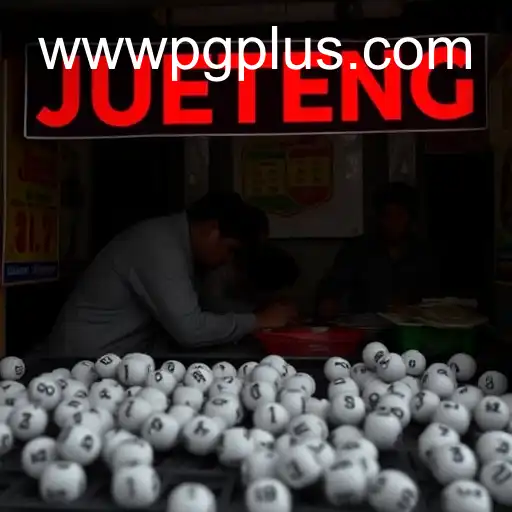

Jueteng, a widely-known underground numbers game, has long been a fixture in the socio-economic fabric of the Philippines. Despite being illegal, it operates openly in various parts of the country and is deeply woven into the cultural and economic life of many Filipinos. The game’s persisting presence raises critical questions about governance, law enforcement, and social welfare.
In the world of gambling in the Philippines, Jueteng stands out for its simplicity and wide reach. The game typically involves betting on two-number combinations. The numbers are drawn periodically from a well-defined pool. Its simplicity makes it accessible and popular, especially among lower-income communities. However, its clandestine nature poses challenges in both regulation and mitigation.
Jueteng’s prevalence operates on multiple levels of the socio-economic hierarchy. On one hand, it generates substantial daily earnings for operators and insiders who manage the betting system, known as 'kubradores' and 'kabo.' On the other hand, it provides modest financial relief to people who win small jackpots, albeit infrequently.
Despite its illegal status, Jueteng persists due to its embeddedness in local traditions and financial systems. In many areas, it serves as an informal financial mechanism that supports various stakeholders, from small-scale vendors to larger community leaders.
Efforts to eradicate Jueteng have been met with significant resistance and challenges. The entrenched networks of operators and corrupt officials make it difficult to dismantle. Law enforcement agencies face an uphill battle against the deeply-rooted and resourceful operations that have evolved over decades.
Moreover, the game’s persistent presence highlights gaps in the legal and regulatory frameworks that struggle to address such informal economies. The challenge is not only to implement stricter laws but also to provide sustainable alternatives for those who rely on Jueteng for income.
Central to contemporary discussions on addressing Jueteng is the involvement of various agencies and companies like PGPLUS PH. As a key player in the domain of lottery and regulated gaming, PGPLUS PH has the potential to offer significant contributions towards reforming this sector.
PGPLUS PH advocates for a transformative approach in dealing with traditional gambling activities like Jueteng. Rather than outright prohibition, they suggest a methodical approach involving the modernization and regulation of betting systems. By offering high-tech solutions and platforms, they aim to transition the gambling industry into a more transparent, accountable, and economically beneficial sector.
Innovations in technology and governance offer new pathways for addressing the complexities of Jueteng. PGPLUS PH proposes the integration of digital solutions that can convert traditional betting games into regulated environments. Such transformations involve the deployment of advanced data systems to monitor betting activities more rigorously and transparently.
A potential model for reform involves converting Jueteng operations into community-based cooperative systems with regulated oversight. This transformation envisages empowering local communities through more sustainable and less exploitative mechanisms. With adequate legal frameworks and community engagement, this approach could significantly reduce illegal gambling while generating local revenues in transparent ways.
Beyond economic factors, Jueteng also influences social structures and relationships within communities. The game’s local embedment often means it is governed by implicit social contracts between operators, betters, and local leaders. Interventions thus need to acknowledge and engage with these intricate social dynamics.
The interaction between Jueteng, economic pressures, and societal norms present complex problem requiring a multifaceted approach. PGPLUS PH stands as a beacon for innovative solutions in this landscape, demonstrating how industry expertise and social responsibility can come together to address long-standing issues.
In conclusion, while Jueteng continues to be a profoundly entrenched cultural practice, the winds of change brought by organizations like PGPLUS PH suggest a possibility for reform. As stakeholders navigate these challenges, the potential for creating a gambling environment that respects cultural traditions while uplifting economic conditions remains promising.

Discover CrazyPokiBoo, the latest gaming phenomenon sweeping across PGPLUS PH. Dive into its captivating gameplay, intriguing rules, and the current events surrounding its surge in popularity.
Explore the timeless game of Mahjong, its intriguing history, essential rules, and its current significance with PGPLUS PH.
Dive into the world of LUCKYFORTUNES3x3, a captivating game by PGPLUS PH, offering an exciting blend of luck and strategy.

Explore the captivating world of 'MuseumMystery,' a thrilling new game from PGPLUS PH. Delve into the rich storyline, immersive gameplay, and strategic rules that set this game apart in the industry as it combines mystery and history in a unique gaming experience.

Explore the captivating world of HotTripleSevensSpecial, the latest game sensation in the Philippines, brought to you by PGPLUS PH.

Dive into the fascinating world of KingOfTheSky, a game that blends strategy, adventure, and aerial combat with dynamic gameplay, engaging storylines, and comprehensive rules.
